Engineering Is More Than You Think
Structural engineering is more than you imagine.
Behind every inspiring building, iconic bridge and resilient piece of infrastructure are structural engineers combining creativity, technical expertise and collaboration to shape the world around us. Far from being just about calculations, structural engineering is about solving complex challenges, bringing ambitious ideas to life, and creating places and spaces that improve people's lives.
This Tomorrow's Engineers Week, explore how structural engineers work alongside architects, designers, contractors, researchers and communities to deliver projects that leave a lasting impact. From tackling climate change and reducing carbon emissions to enabling scientific discovery and strengthening communities, structural engineering plays a vital role in building a better future.
Join us as we celebrate the people, projects and possibilities that demonstrate how structural engineering is one of the most rewarding, innovative and influential careers for the next generation of engineers.
Meet our members
Imagine helping protect the Palace of Westminster, working high above thousands of passengers at Liverpool Street Station, or flying to Oman at 48 hours' notice to solve a complex engineering challenge. For structural engineer David Milward, these are just some of the experiences that have shaped a career far removed from the desk-bound profession he once imagined.
Now a Technical Director specialising in temporary structures, David develops innovative solutions that enable construction, restoration and maintenance in some of the most demanding environments. From historic landmarks to major infrastructure projects, his work combines technical expertise, creativity and collaboration to solve complex challenges.
Like many young people, David thought engineering was mostly about maths and science. Instead, he discovered a career driven by imagination, problem-solving and real-world impact. His story demonstrates that structural engineering is far more than calculations. It's about turning ambitious ideas into reality and making a lasting difference to the world around us.
When David was at school, he had a very different picture of what engineering involved.
"I enjoyed maths and science, but I also loved exploring, travelling, drawing, fixing things and being creative. I assumed engineering would be very academic and mainly office-based." He couldn't have been more wrong.
An unexpected career path
David didn't always know that temporary structures would become his speciality. In fact, he discovered this area of engineering almost by chance.
After several years working in engineering and completing a postgraduate degree, an unexpected job opportunity introduced him to temporary works – a field he knew very little about at the time.
But it quickly captured his imagination.
Unlike the finished buildings and bridges we see around us, temporary structures are often hidden from public view. Yet they play a vital role in making construction, restoration and maintenance possible.
And for David, they offer something particularly appealing: the chance to think creatively, tackle unusual challenges and find solutions where there isn't always an obvious answer.
Solving problems in extraordinary places
David specialises in temporary structures – engineering solutions that allow construction, maintenance and restoration work to take place safely, often while everyday life continues around them.
At London's Liverpool Street station, David worked on a project involving an enormous protective platform beneath the station roof, allowing its glazing to be cleaned and replaced.
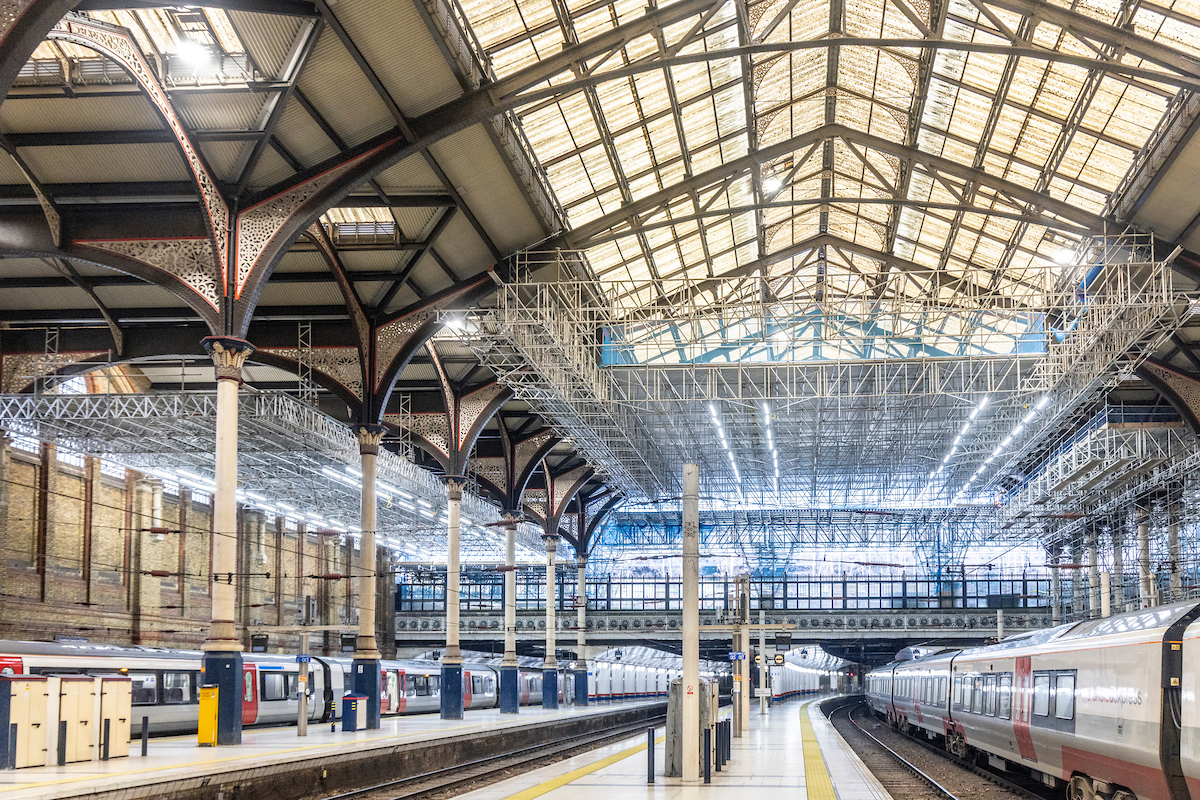 Liverpool street train station. Credit: Zute Lightfoot
The platform was constructed at one end of the station and gradually pushed into position above the trains and passengers. Remarkably, apart from two short closures, the station remained operational throughout the 18-month programme.
At the Palace of Westminster, David was involved in another unusual challenge: designing a freestanding scaffolding structure to provide access for restoration work on Cromwell Tower.
The solution had to provide safe access without attaching anything to the historic building itself, protecting its delicate fabric.
And engineering has taken David overseas too.
At Muscat Airport in Oman, he helped develop a movable access system using winches and platforms so that work could be carried out inside a roof canopy while airport operations continued below.
From the first request for help to arriving on site took approximately 48 hours!
More than maths and science
Today, David is Technical Director at the same consultancy where he began his career as a graduate engineer.
What has kept him interested?
For David, it's the variety, the people and the opportunity to find creative solutions to seemingly impossible problems.
"There is rarely only one right answer. I really enjoy exploring options, thinking outside the box and using my imagination alongside my engineering experience."
His work combines everything from investigating existing buildings and sketching ideas to computer modelling, visiting construction sites and collaborating with people from different backgrounds.
It's a long way from the office-based career he once imagined.
Where could engineering take you?
David's advice is simple: don't underestimate the variety of opportunities engineering can offer.
You don't have to choose between being creative and being good at science. Engineering brings these skills together, giving you the chance to solve real-world problems, work with different people and perhaps even travel the world.
As David puts it:
"Engineering is a real-life skill that can take you anywhere in the world and allows you to use those skills to really make a difference."
And for someone who once thought engineering might mean sitting behind a desk all day, that's quite a discovery."
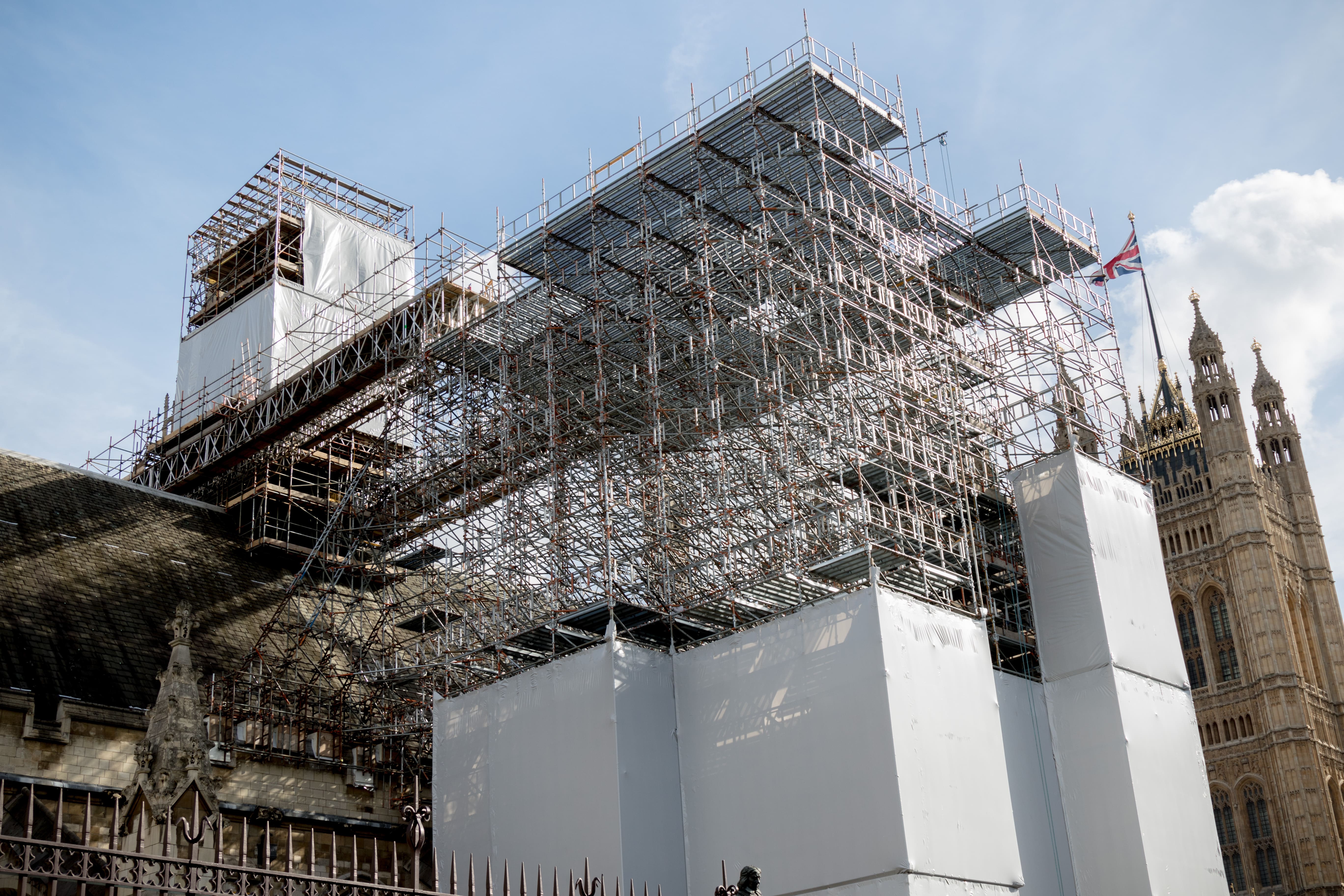 The Palace of Westminster. Credit: David Milward
Engineering Beyond the Numbers: Making a Difference through Curiosity
Meet Dr Rwayda Al-Hamd, MIStructE
When people picture structural engineering, they often think of calculations, complex designs and technical expertise. For Dr Rwayda Al-Hamd, structural engineering is also about curiosity, creativity and the opportunity to make a meaningful difference to people's lives.
As a researcher, educator and Chartered Structural Engineer, Rwayda is helping to shape a safer and more sustainable built environment. From exploring how structures perform under extreme conditions to advancing the use of low-carbon materials, her work demonstrates how engineering can tackle some of society's most pressing challenges. Alongside her research, she is passionate about inspiring the next generation of engineers and ensuring the profession welcomes people from all backgrounds.
Rwayda's story is a powerful reminder that engineering is about far more than numbers. It is about asking questions, embracing new ideas and helping create a better future for communities around the world.
Engineering Beyond the Numbers: Making a Difference through Curiosity
Dr Rwayda Al-Hamd, MIStructE, CEng, FHEA
Dame Kathleen Ollerenshaw Fellow in Structural Engineering
The University of Manchester
When people think of structural engineering, they often imagine complicated calculations, enormous buildings and people who have always been brilliant at maths. But engineering is so much more than that: it is about curiosity, creativity and finding solutions to problems that can make people's lives better.
One of the things I love most about structural engineering is that our work is all around us. From the buildings where we live and learn to the bridges that connect communities, structural engineers help make the world safer and more sustainable.
My research focuses on understanding how structures and materials behave, particularly when exposed to extreme conditions such as fire. I am especially interested in how we can make buildings safer while reducing their environmental impact. For example, timber is an exciting material because it can help reduce the carbon footprint of construction, but we also need to understand how to use it safely and responsibly.
Engineering gives me the freedom to explore new ideas and challenge the way things have always been done. It also allows me to work with people from different backgrounds, disciplines and countries. Some of the most exciting solutions emerge when people bring different experiences and perspectives to the same problem.
Another part of my career that I particularly value is working with students and young researchers. Seeing someone develop their confidence, discover their abilities and realise that they belong in engineering is incredibly rewarding.
I believe that engineering should be a place where everyone feels welcome, regardless of their background or the path they took to get there. We need people who think differently, ask unexpected questions and bring creativity to the challenges we face.
If I could tell my younger self one thing, it would be that you do not have to know everything or have all the answers to become an engineer. What matters is being willing to learn, ask questions, work with others and keep trying when things become difficult.
And to any young person wondering whether engineering might be for them, I would say: do not rule it out simply because you think you are not a maths or physics genius. If you enjoy discovering how things work, solving problems in the built environment, or creatively designing what the future will look like, engineering might be for you.
Engineering is not just about the structures we build. It is about the future we help create.
Meet Jo Renold-Smith, MIStructE
Landmark projects including Olympic Stadium and Haramain Railway.
Why Structural Engineering is a Good Career Choice
Structural engineering is more than a career. It's a chance to shape the world around you.
From iconic stadiums and landmark bridges to sustainable homes and community spaces, structural engineers create the places where people live, work and connect. Every project presents a new challenge, combining creativity, technical expertise and problem-solving to turn ambitious ideas into reality.
The profession offers exceptional variety, whether you're passionate about sustainability, design, innovation, construction or leadership. It can take you around the world, introduce you to diverse teams and technologies, and give you the satisfaction of seeing your work make a lasting impact on society.
Drawing on experiences from globally recognised projects, this perspective explores why structural engineering is one of the most rewarding, dynamic and influential professions, opening doors to opportunities far beyond the drawing board.
Why Structural Engineering is a Good Career Choice
Structural engineering is a vocation, not a job. It shapes society, protects people, and creates the spaces where life happens.
Imagine watching a building rise from a simple sketch into a landmark that thousands of people use and enjoy. That's the reality of a career in structural engineering. The profession offers exciting opportunities to travel, flexible ways of working and the chance to be involved in everything from world-class developments to projects that strengthen local communities. Every structure tells a story, and as a structural engineer, you play a key role in writing it. Few experiences compare with standing in front of a completed project and knowing that your expertise helped turn an ambitious vision into reality.
A career in structural engineering offers great diversity. Whether you're passionate about iconic sports venues, major transport infrastructure, sustainable housing, healthcare facilities or preserving heritage landmarks, there's a sector to match your interests. And, as your career progresses, you can shape your own journey, moving between specialist technical roles, leading design teams, managing construction sites or overseeing entire projects from concept through to completion.
Structural engineering is a highly collaborative profession, where the best solutions often emerge from bringing together different perspectives and areas of expertise. Successful structural engineers combine creativity with analytical thinking, tackling complex challenges by working closely with colleagues, architects, contractors, suppliers and clients. Every project is a team effort, requiring clear communication, innovation and problem-solving at every stage. It's also a career built on continuous learning. As technologies, materials and construction methods evolve, so do the opportunities to develop new skills, share knowledge and mentor the next generation of engineers. This blend of teamwork, innovation and personal growth makes structural engineering a dynamic and rewarding profession.
Engineering has given me opportunities that I could never have imagined at the start of my career. It has taken me across the world, allowing me to experience different cultures and work environments, with projects spanning the UK, Europe, the United States and the Middle East. Every project has brought new challenges, new perspectives and the chance to work alongside talented people from a wide range of backgrounds.
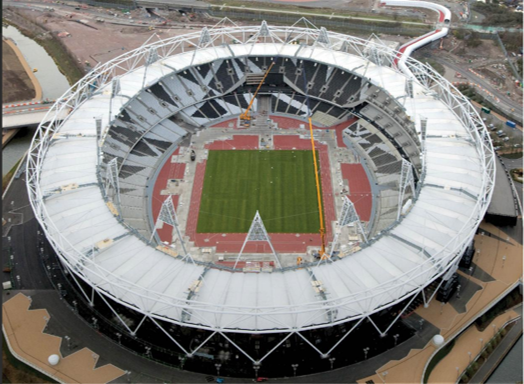 London 2012 Olympic Stadium
Along the way, I have been fortunate to contribute to some truly iconic projects, including the original roof of the London 2012 Olympic Stadium and its replacement, larger roof when it became London Stadium, as well as the four landmark stations of the Haramain High Speed Railway in Saudi Arabia, and Rolls-Royce Test Bed 80 in Derby. Each project presents an opportunity to play a part in creating infrastructure and buildings used by millions of people.
Some of the most memorable experiences have come from the opportunities that engineering has created beyond the design office. As part of the project team, I was invited to take part in the London 2012 Olympic Opening Ceremony, thus becoming a small part of a historic global event. I also had the rare chance to stand on top of the Millennium Dome years before it became the O2 roofwalk attraction. These moments are a reminder that a career in engineering is about much more than structures; it's about the people, experiences and achievements that come with helping to shape the world around us.
Structural engineering is a profession that challenges you to think differently, solve complex problems and help bring ambitious ideas to life. Whether you're passionate about design, sustainability, technology or creating a positive impact on society, structural engineering offers the opportunity to turn that passion into a rewarding career.
Structural Engineering: Building a Legacy
Structural engineering is about far more than designing buildings. It's about shaping the places where people live, work and connect, creating structures that can stand for generations and leave a lasting mark on communities.
For many engineers, one of the most rewarding aspects of the profession is seeing a project evolve from an idea on paper into a completed building that people use every day. Whether it's housing, public buildings, commercial developments or historic landmarks, every project presents a unique challenge, requiring creativity, teamwork and problem-solving to bring it successfully to life.
This perspective reflects on a career spanning a wide range of projects, from modern developments to some of the UK's most treasured historic buildings. It also highlights an important message for young people considering engineering: success in the profession isn't defined by academic perfection. Curiosity, determination and a willingness to tackle challenges can take you further than you might imagine, opening the door to a rewarding career that combines technical expertise with a tangible impact on the world around us.
Meet Paul Owen, MIStructE
Structural engineering is at the heart of our buildings and infrastructure. As a structural engineer, you play a major role in delivering challenging projects as part of a wider team. The structures you help create stand as a lasting achievement of that team's expertise, remaining for many years as something you can be proud of and show future generations.
I have personally been fortunate to work on many buildings over the course of a long career. Structural engineering is a profession that offers lifelong opportunities. While technology continues to evolve, it will support and enhance our work rather than replace it. There is great satisfaction in working as part of a team to develop a design and then watching that vision emerge from the ground. Even more rewarding is being able to walk through and experience the completed project.
Every structure is unique and presents its own challenges, requiring engineers to solve new problems on each project. During my career, I have worked on a wide variety of buildings, including housing developments, multi-storey residential schemes, supermarkets, courthouses and historic buildings. My work on historic structures has included projects at the Tower of London, the Houses of Parliament, and efforts to save significant buildings from demolition.
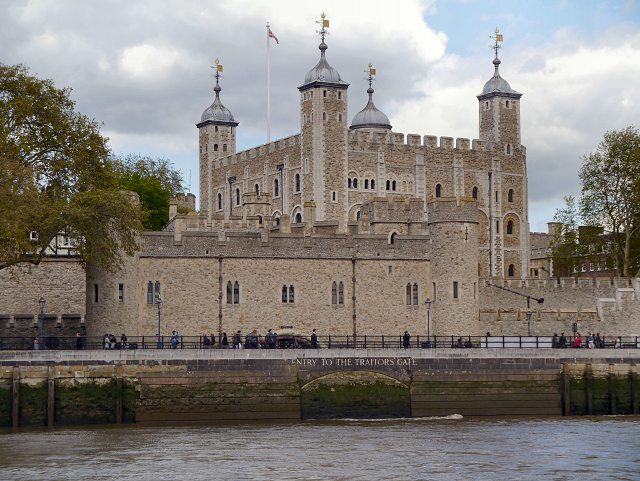 The Tower of London. Credit: David Dixon
I am dyslexic and still cannot read subtitles quickly enough to keep up with some films and television programmes. It was a challenge during my early years at school, but once I developed ways to manage it, I thoroughly enjoyed my later years in education. It certainly did not prevent me from becoming a Chartered Engineer at the youngest possible age. In fact, many successful engineers and architects are dyslexic, proving that different ways of thinking can be a real strength in our profession.
Engineering Is for Everyone
- Structural engineering welcomes people from all backgrounds, experiences and perspectives.
- Success isn't about being a maths genius. Curiosity, creativity and determination are just as important.
- Engineers work in diverse roles, from design and sustainability to construction, research and technology.
- Different ways of thinking help create better solutions to real-world challenges.
- The profession offers opportunities for people with a wide range of strengths, interests and learning styles.
- Structural engineering is about making a difference, creating buildings and infrastructure that benefit communities for generations.
- There is no single route into engineering, making it an accessible and rewarding career for many different people.
Could You Be a Structural Engineer?
You might enjoy structural engineering if you:
- Like solving problems and figuring out how things work.
- Enjoy being creative and turning ideas into reality.
- Are interested in buildings, bridges, cities or the built environment.
- Want a career that combines technical thinking with imagination.
- Like working with different people as part of a team.
- Enjoy subjects such as maths, science, design, technology or art.
- Want to help tackle challenges such as sustainability and climate change.
- Are curious, practical and willing to learn new skills.
- Enjoy taking on new challenges and finding innovative solutions.
- Want a career where you can see the real-world impact of your work.